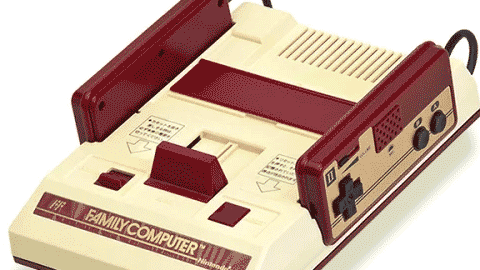
Famicom (1983)
Nintendo’s 8-bit console that started a revolution in home gaming.
Read more →From 8-bit beginnings to the 3D era, Japanese consoles shaped gaming worldwide.
Explore classic Japanese game systems including the Famicom, Super Famicom, PC Engine, Mega Drive, Sega Saturn, PlayStation, Dreamcast, and many more.
Nintendo’s 8-bit console that started a revolution in home gaming.
Read more →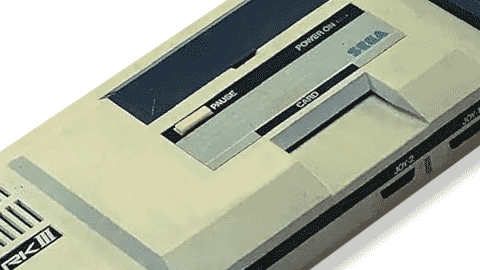
Sega’s 8-bit competitor, later released overseas as the Master System.
Read more →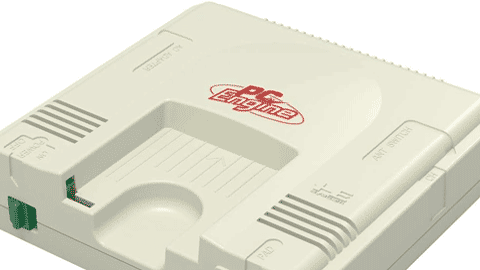
Compact design, HuCards, and the pioneering CD-ROM² add-on.
Read more →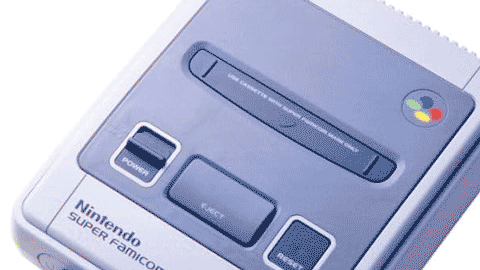
Mode 7, enhancement chips, and a landmark 16-bit library.
Read more →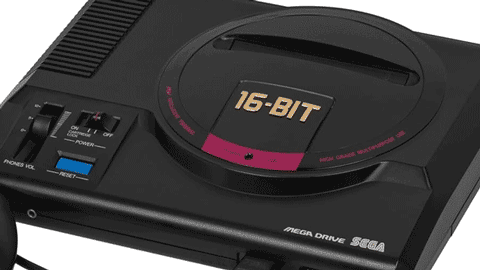
Arcade-speed action and Sega’s distinct 16-bit identity.
Read more →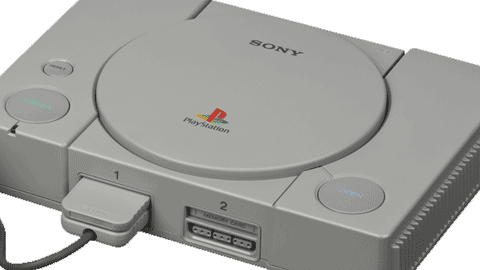
CD-ROM power, 3D polygon graphics, and a global third-party ecosystem.
Read more →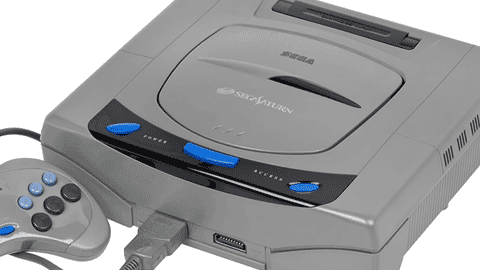
2D powerhouse with a deep arcade legacy, beloved in Japan.
Read more →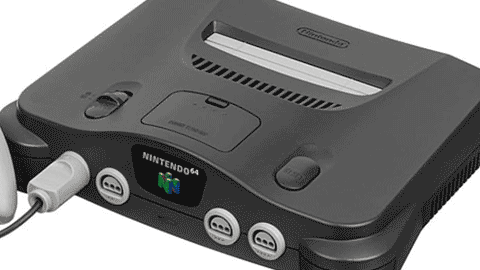
Analog stick innovation and landmark 3D adventures.
Read more →